Korean Hangover Cures: What Actually Works (and What’s Just a Drink)
Korea’s convenience-store hangover drinks are a fast-growing market worth over ₩370 billion — but none is an approved medicine, and doctors are sceptical.
Soju, makgeolli, beer, and the rules around drinking in Korea.
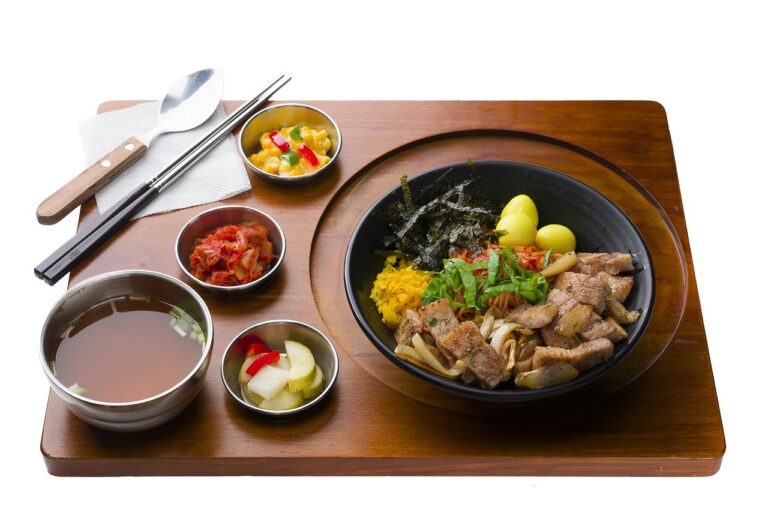
Korea’s convenience-store hangover drinks are a fast-growing market worth over ₩370 billion — but none is an approved medicine, and doctors are sceptical.
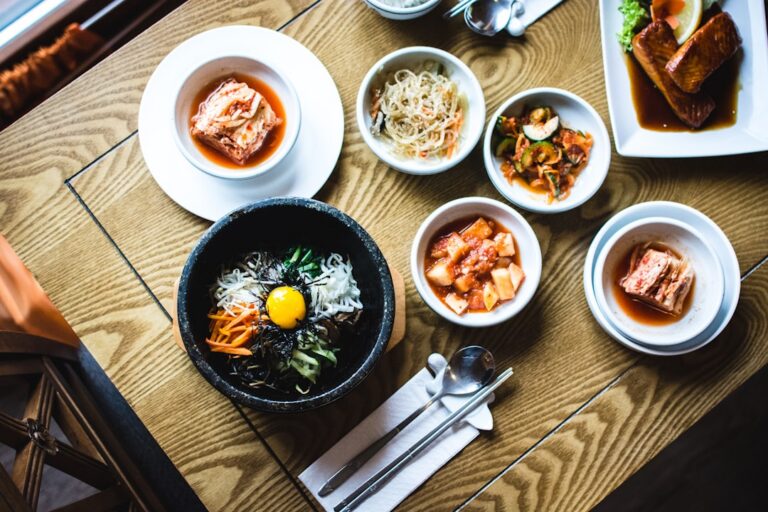
Anju is food ordered to go with drinks — and at many Korean bars it’s close to mandatory.
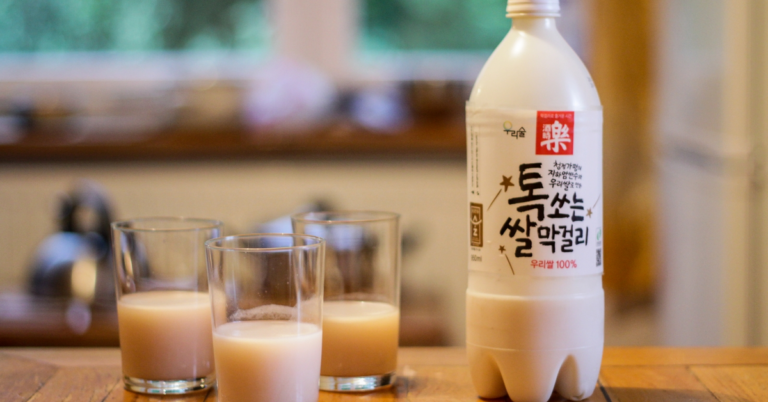
Makgeolli comes in two kinds — raw and pasteurised — and only one is safe to shake or store. Guides tell you to shake it without saying which bottle will leak.
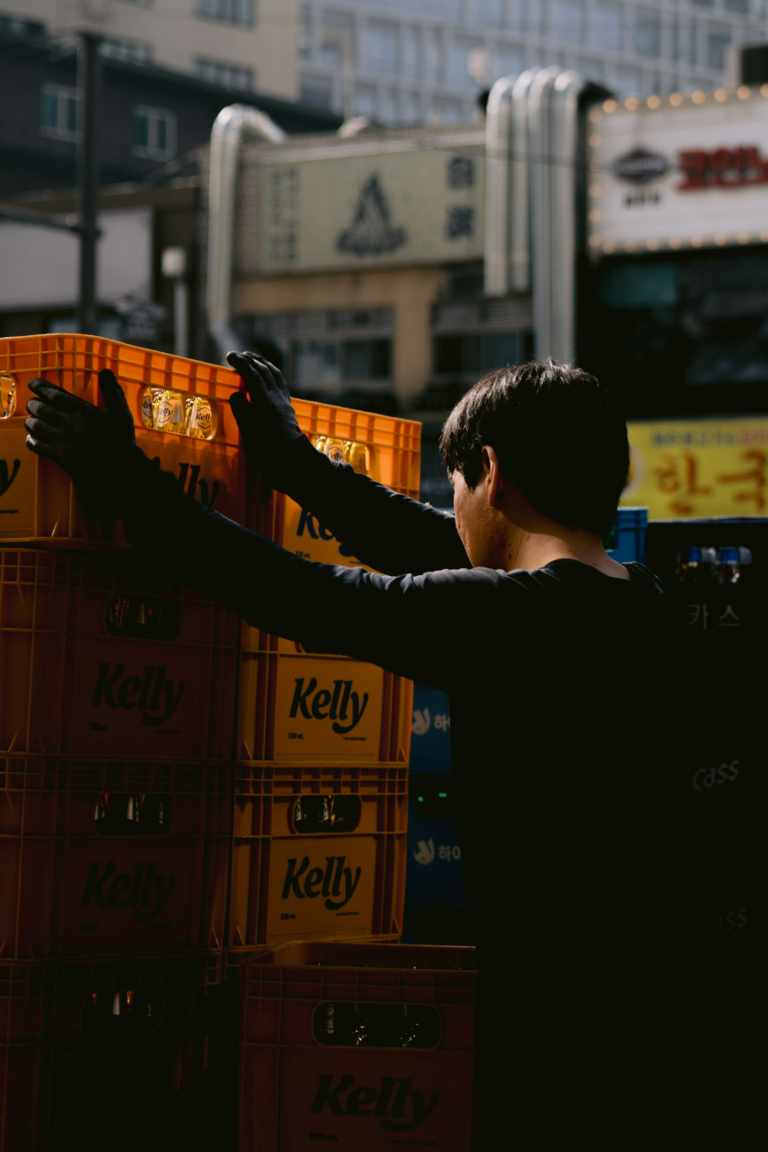
Cass, Terra and Kelly sit around 4.5–4.6%, the convenience-store 4-for-₩10,000 deal has quiet rules, and somaek is the point of it all.
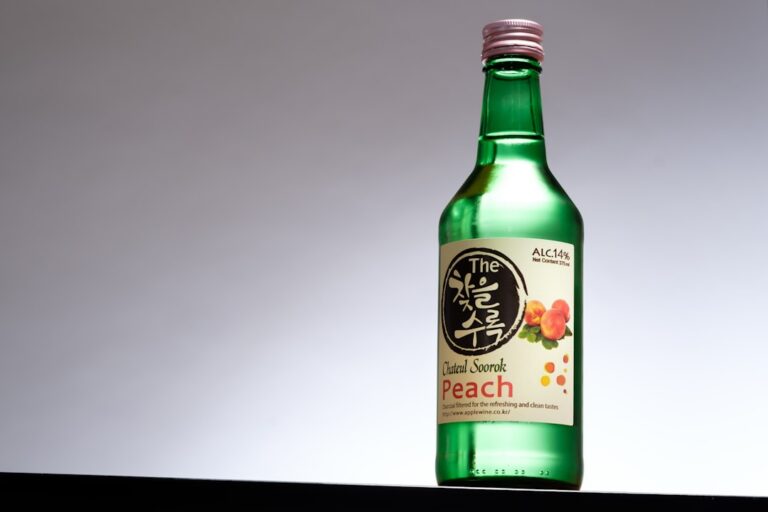
Korea’s soju has quietly dropped to 15.7% in 2026, convenience-store bottles fell to ₩1,900, and the pouring etiquette guides describe is only half the story.
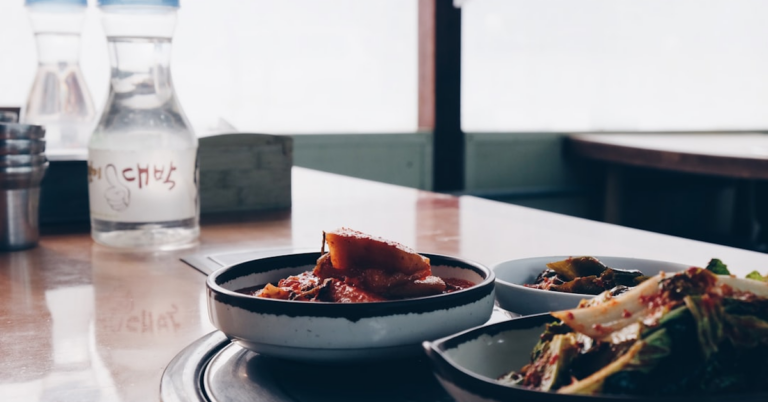
How a Korean drinking night actually runs — rounds, who pours, splitting the bill, and how often saying no really works, based on 2024 survey data.
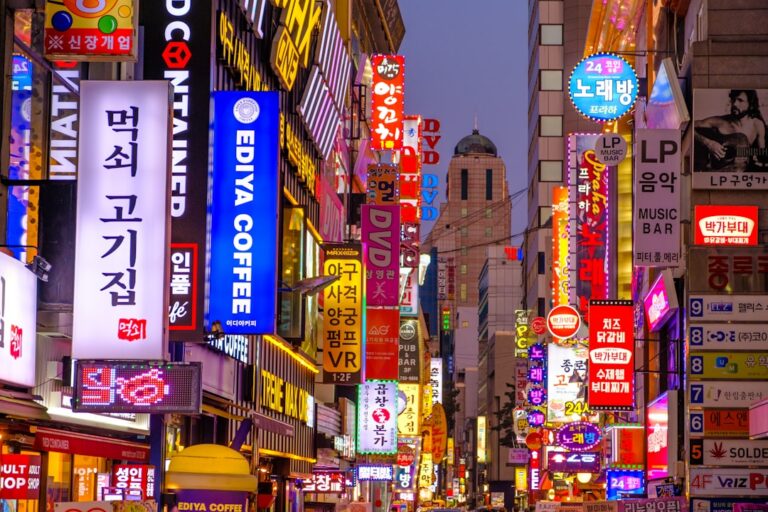
Korea’s drinking age is 19, but the real questions are which ID works, what sellers risk, and where no-drinking zones now apply, as of August 2026.