Anju: Why You Can’t Just Order Drinks in Korea
Anju is food ordered to go with drinks — and at many Korean bars it’s close to mandatory.
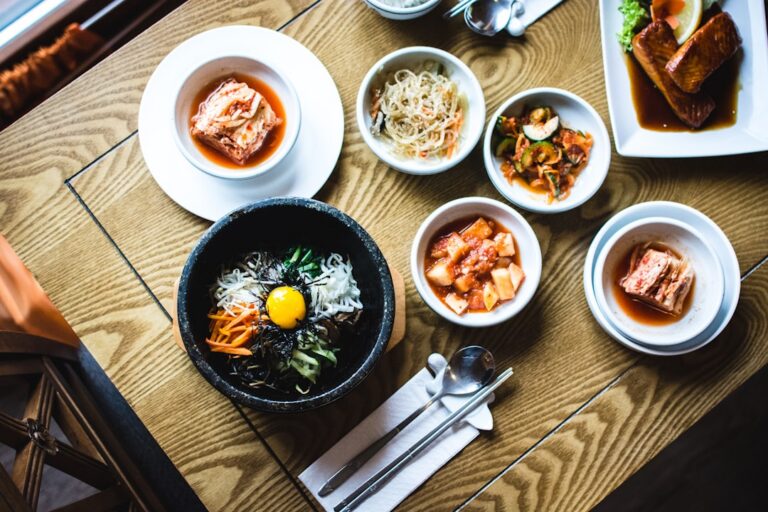
Anju is food ordered to go with drinks — and at many Korean bars it’s close to mandatory.
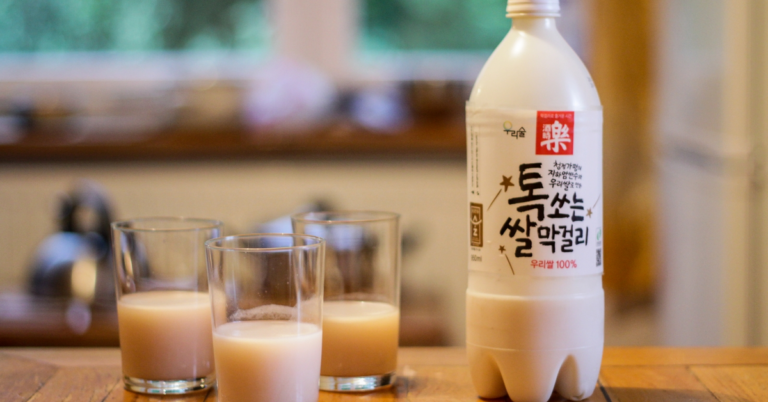
Makgeolli comes in two kinds — raw and pasteurised — and only one is safe to shake or store. Guides tell you to shake it without saying which bottle will leak.
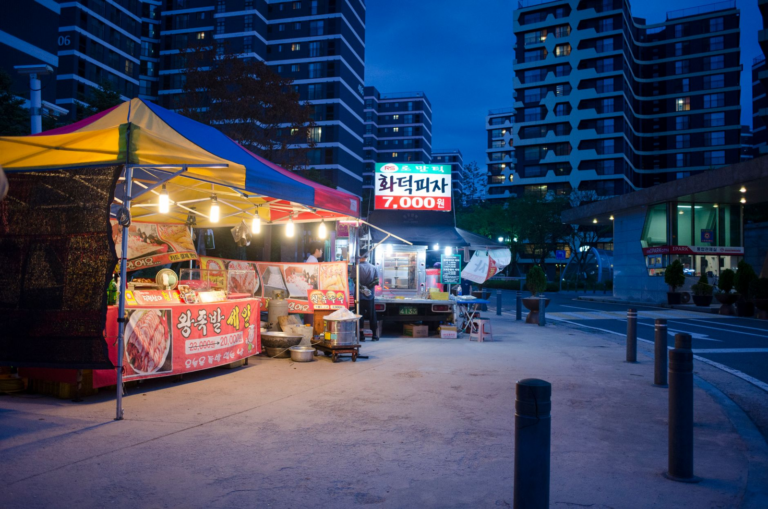
Pojangmacha are cash-only street-food tents with no printed prices — which makes them intimidating.
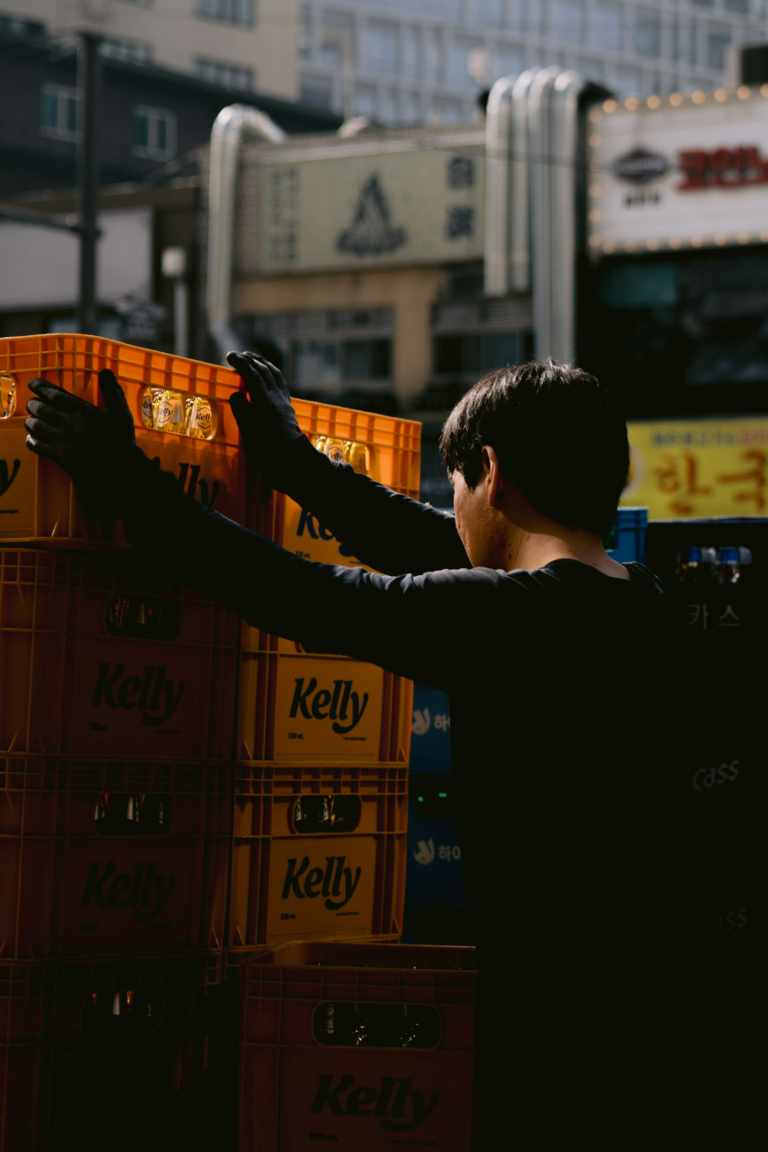
Cass, Terra and Kelly sit around 4.5–4.6%, the convenience-store 4-for-₩10,000 deal has quiet rules, and somaek is the point of it all.
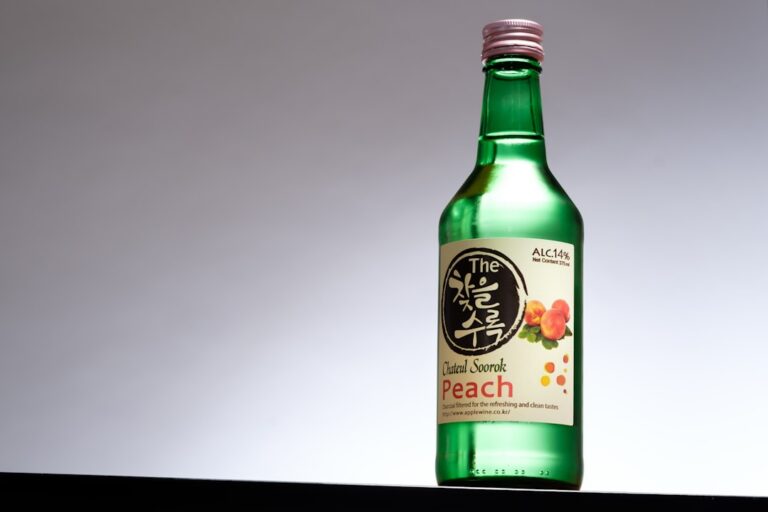
Korea’s soju has quietly dropped to 15.7% in 2026, convenience-store bottles fell to ₩1,900, and the pouring etiquette guides describe is only half the story.
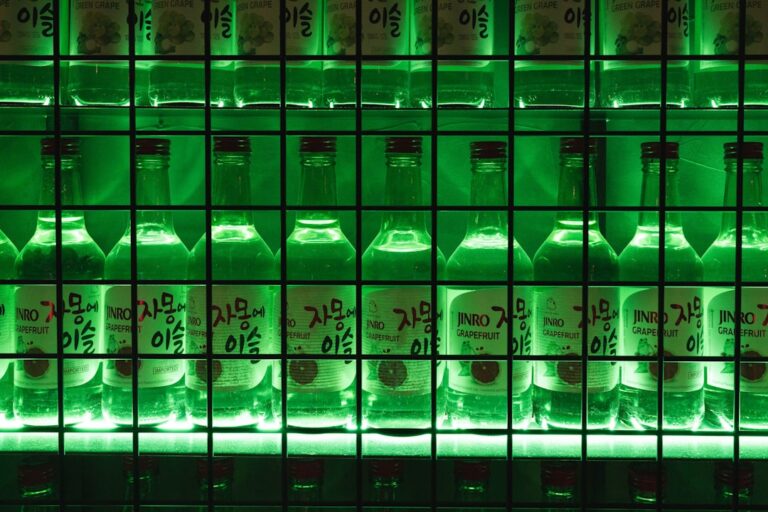
A practical overview of drinking in Korea — the etiquette that matters, where you can and can’t drink in 2026, what to order, and how it all connects.
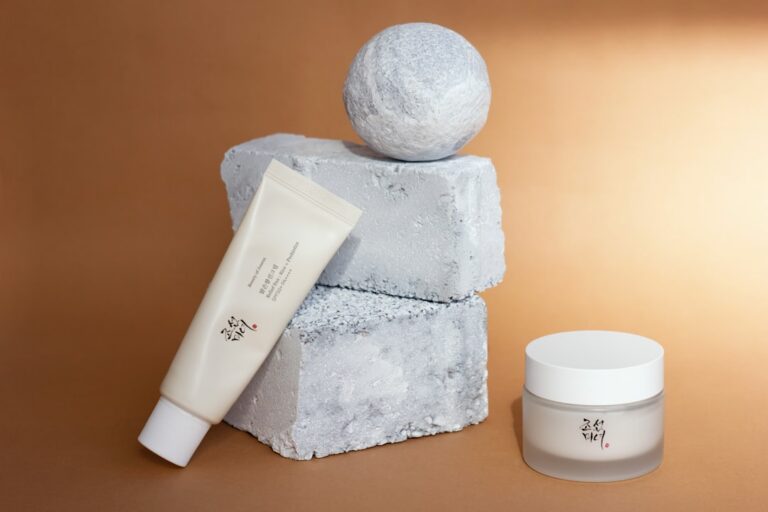
Olive Young gives foreigners an instant in-store tax refund from ₩15,000 with just a passport — and the quarterly sales plus foreign-pay discounts stack.
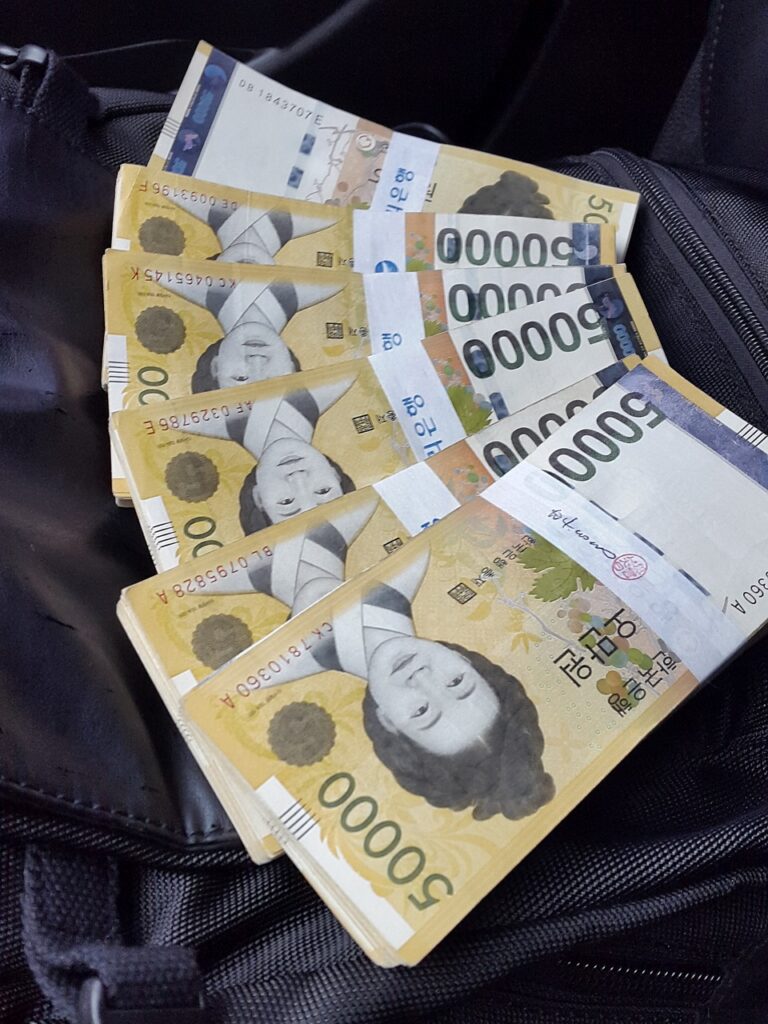
A week in Korea runs roughly $500 backpacker, $1,200 mid-range, or $2,200+ comfort — but the useful part is where the money goes.
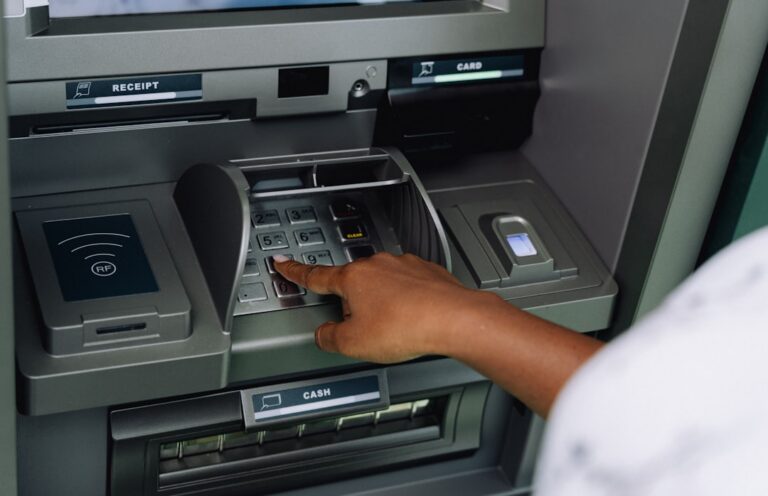
Not every Korean ATM takes a foreign card, even inside the same convenience store.
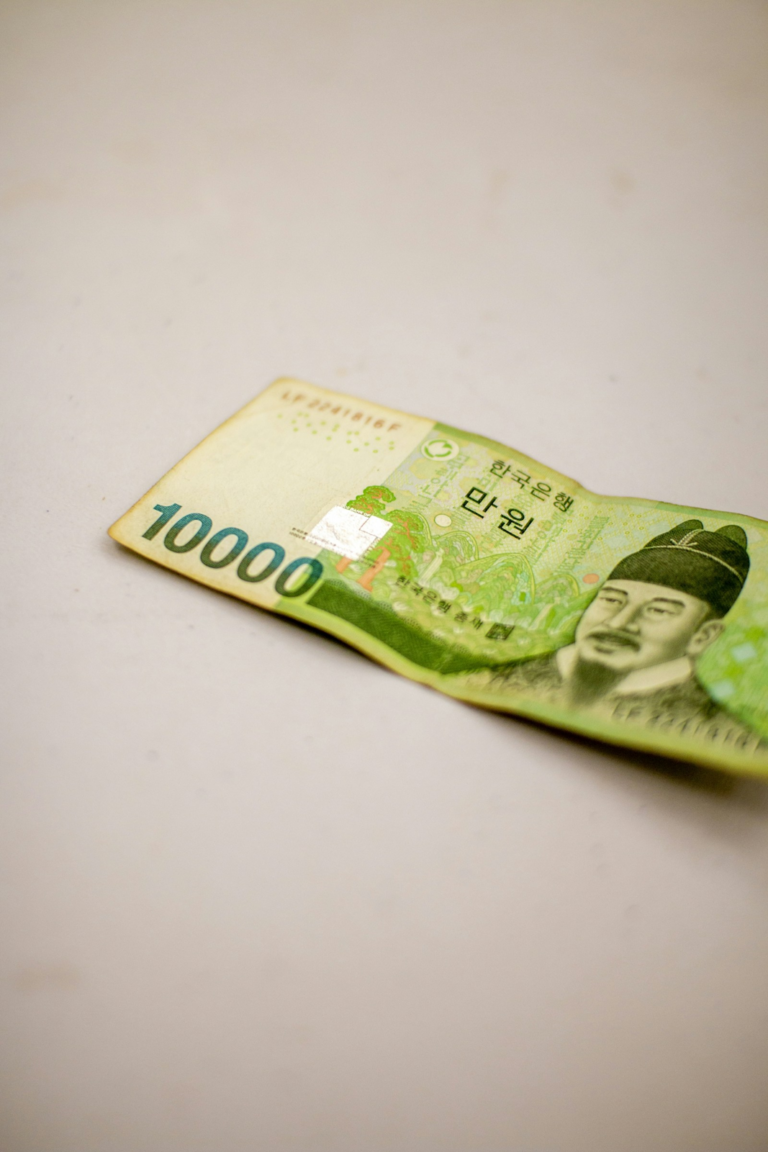
Korea is a card society — until you try Kakao Taxi, a delivery app, or a market stall.