How Much Does a Week in Korea Cost? A Real Breakdown by Category
Quick Answer
A week in Korea in 2026 costs roughly $500 for a backpacker (hostels, street food), $1,200 mid-range (the bracket most travellers land in), or $2,200+ for comfort (hotels, day tours). The headline numbers are easy to find; the useful part is where the money goes. Accommodation eats 40–45% of a mid-range trip, food 20–25%, and transit is startlingly cheap — ₩1,550 across Seoul, ₩60,000 to Busan by KTX.
The Full Answer
“How much does Korea cost” is one of the most-searched trip questions, and English guides answer the headline well — three daily brackets, a total. Where they help less is showing how the money distributes, which is what actually lets you plan and cut.
The single most useful insight is not the total but the shape: two categories dominate, one is negligibly cheap, and knowing which is which tells you where to spend and where to save. I checked 2026 cost breakdowns and current fares in July 2026 to put real figures against each category.
The Three Brackets
| Style | Per day | Per week | Looks like |
|---|---|---|---|
| Backpacker | $50–70 | ~$500 | Hostels, street food, self-guided |
| Mid-range | $100–150 | ~$1,200 | Guesthouse/hotel, restaurants, some tours |
| Comfort | $200–350 | $2,200+ | Hotels, private tours, taxis |
Most first-time visitors land in the mid-range bracket. The brackets scale mainly on two things: where you sleep and how you get between cities.
Where the Money Actually Goes
This is the breakdown guides rarely draw out, for a mid-range trip:
| Category | Share of spend |
|---|---|
| Accommodation | 40–45% |
| Food | 20–25% |
| Attractions / tours | 12–18% |
| Inter-city transport | 8–12% |
| Local transit | 5–8% |
| Miscellaneous | ~5% |
Local tip — Accommodation and food together are two-thirds of a mid-range budget, while local transit is only 5–8%. That means the lever that actually moves your total is where you sleep — a guesthouse instead of a hotel saves far more than any amount of walking to skip subway fares. Guides often pad out “money-saving tips” with transit advice, which is optimising the smallest category.
The Transit Bargain
Korea’s public transport is cheap to the point of distorting expectations.
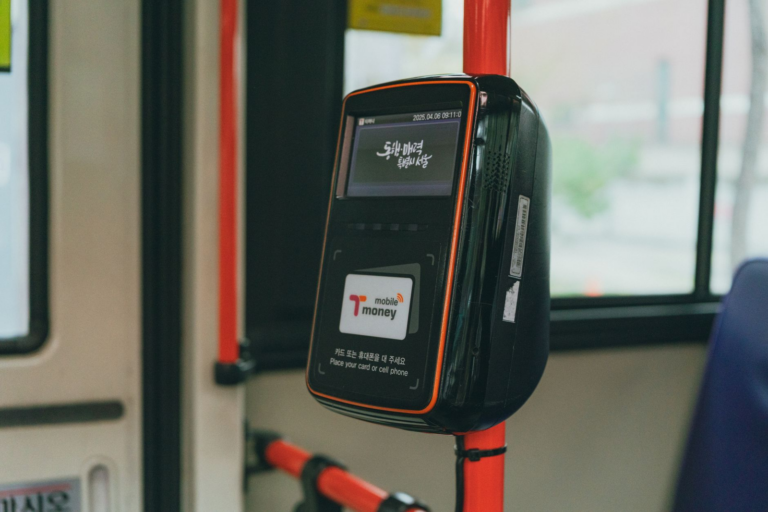
Local tip — Crossing Seoul costs ₩1,550, and Seoul to Busan — the length of the country — is about ₩60,000 by KTX, or less on a slower train. Local transit is so cheap that budgeting it precisely is almost pointless; a T-money card with ₩30,000 lasts days. Put your budgeting energy into accommodation and inter-city trains, not subway fares.
Category Notes
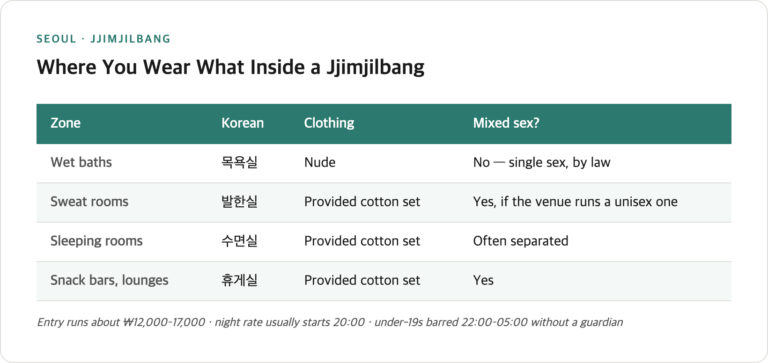
- Accommodation: budget ₩20,000–60,000/night (hostels, guesthouses); mid-range ₩80,000–200,000. A jjimjilbang is a cheap overnight option
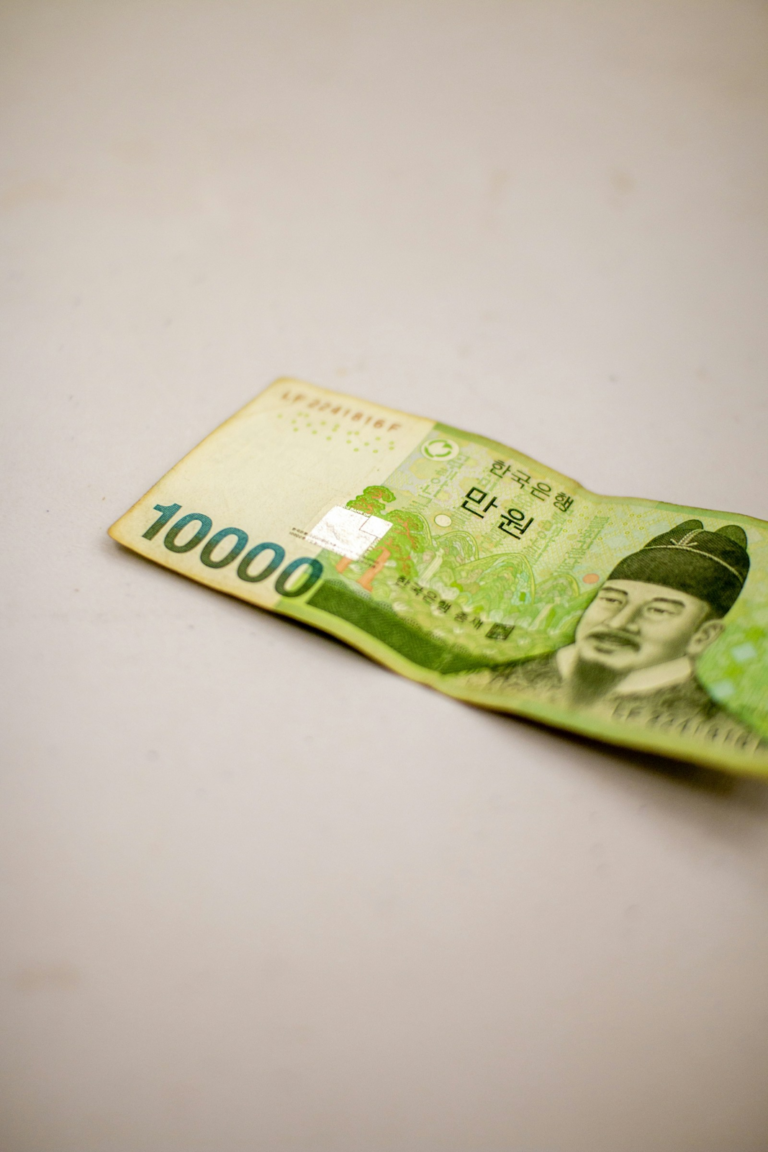
- Food: exceptional value — a solid restaurant meal is often ₩8,000–12,000. Most solo travellers settle around ₩80,000–100,000/day all-in
- Attractions: many are cheap or free — palaces are ₩3,000 or free in hanbok; a DMZ tour is a bigger line item
- Shopping: budget separately, and factor the VAT refund if buying a lot
Local tip — Food is where Korea over-delivers: mid-range travellers get restaurant meals, not just street food, without leaving the bracket. Unlike many destinations, eating well here doesn’t require the comfort budget — which is why the food category stays around 20–25% even as people eat out constantly.
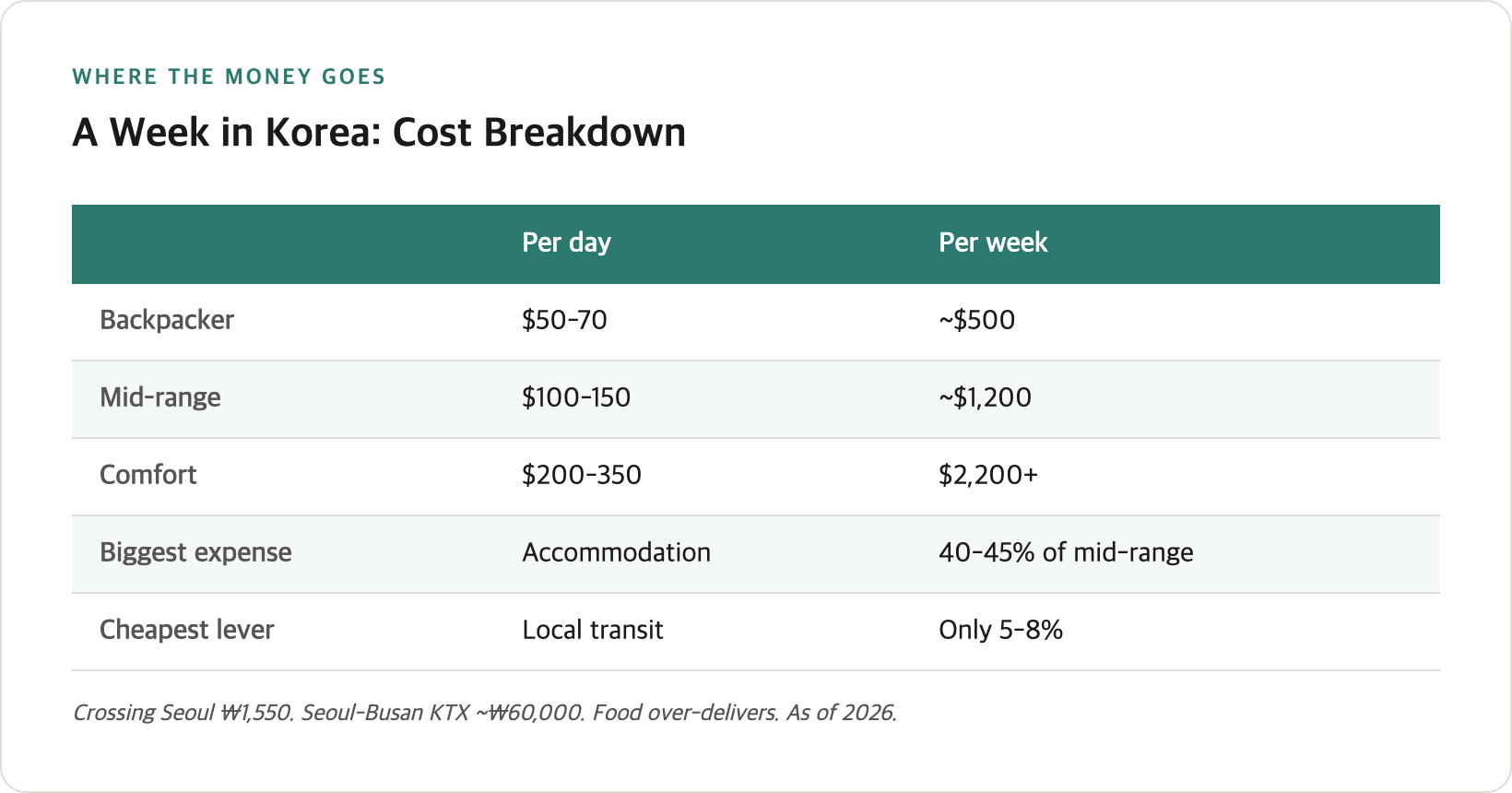
Photo by ldensity67 on Pixabay
What You Need to Know
-
Roughly $500 / $1,200 / $2,200+ for a week, backpacker to comfort.
-
Most visitors are mid-range at $100–150/day.
-
Accommodation + food are two-thirds of a mid-range budget.
-
Local transit is only 5–8% — the smallest lever, despite guide focus.
-
Transit is genuinely cheap — ₩1,550 across Seoul, ~₩60,000 to Busan.
-
Food over-delivers — eat out well without leaving the mid-range bracket.
Practical Tips
-
Pick your bracket by accommodation — it’s the biggest lever.
-
Don’t over-budget transit — it’s the smallest category.
-
Eat out freely — Korean food is cheap for the quality.
-
Use a T-money card and stop tracking subway fares.
-
Take slower trains between cities to save on the KTX line item.
-
Use free or cheap attractions — palaces, parks, markets, and the National Museum of Korea, where general admission is free every day it opens.
-
Claim the VAT refund if you shop seriously.
Frequently Asked Questions
How much does a week in Korea cost?
Roughly $500 for a backpacker, $1,200 mid-range, or $2,200+ for a comfort trip in 2026, depending mainly on accommodation and inter-city travel.
What’s the biggest expense?
Accommodation, at 40–45% of a mid-range budget, followed by food at 20–25%. Together they’re about two-thirds of spend.
How cheap is transport in Korea?
Very. Crossing Seoul is ₩1,550 and Seoul to Busan by KTX is about ₩60,000. Local transit is only 5–8% of a typical budget.
How much should I budget for food?
Around ₩80,000–100,000 a day all-in for a mid-range traveller, with individual restaurant meals often ₩8,000–12,000.
Can I eat well on a mid-range budget?
Yes — Korea over-delivers on food value, so restaurant meals fit the mid-range bracket without pushing into comfort spending.
What’s the cheapest place to sleep?
Hostels and guesthouses at ₩20,000–60,000 a night, or a jjimjilbang for a very cheap overnight.
Related Questions
- Cash or Card in Korea? The Apps That Won’t Take Your Foreign Card
- Korea VAT Refund in 2026: The Instant Route
- Booking KTX: Refund Windows and the Standing-Seat Trade-off
- Do You Need a Visa for Korea? The 90-Day Rule Most Guides Get Half Right
- Korean Age in 2026: Why the Drinking Age Still Uses the Old System